Think Global, Teach Local
  • Home
  • About
    • Contact
  • Think Global - Svalbard
    • The Polar Bear Express
  • Vamos Explorar!
    • Background and Inspiration
    • The Geo-Inquiry Process >
      • Student Blog Posts
    • Expeditions into New Mexico Wilderness Areas
    • Content and Curriculum Resources
  • Think Global - Finland
    • Introduction
    • Education in Finland
    • International Expressions of Global Education >
      • Global Education Concepts and Definitions
    • Case Study: Global Education in Finland >
      • Global Education Initiatives Timeline
      • Themes of Global Education in Finland
    • Curriculum Development >
      • Resources for Teachers
      • Finland Blog
    • Gratitude and Dedication
  • Think Global - Germany
    • Teach Global - Germany
  • Think Global - Colombia
    • Journal
    • Think Global Resource Guide >
      • Essential Question
      • Standards Based Global Education
      • Global Education Unit: American Indians and Indigenous Peoples of the World – Past, Present and Future
      • Digital Learning Environment Inventory
      • Local Resource Guide
      • Global Education Unit: Being American: An examination of the struggle for civil liberties for historically disenfranchised groups of Americans
      • Global Education Student Assessment Tools Inventory
      • International Project -Based Learning Opportunities
      • TGC Teacher Blogs
  • Teach Global
    • Think Global - Peru >
      • Virtual Field Trip to Peru >
        • Tasty Peru Tour
      • Peru Teacher Resources
    • Virtual Field Trip to Pakistan
    • Social Justice Heroes from Across the Americas
    • Global Leadership Odyssey Project: Introduction Videos to Students in Cartagena, Colombia
    • Colombia Lessons and Presentations
    • Schools Around the World
    • Ancient China
    • iEARN Global Learning Circle - Spring 2014
  • Chaco Canyon Trek 2018
  • Non-clickable Page
Picture
Vamos Explorar Home Page
Expeditions into NM Wilderness
Project Background
Resources
Student Blog Posts
Think Global, Teach Local
Home Page

The Geo-Inquiry Process
Picture
Learn more about the Geo-Inquiry Project and access curriculum materials here. Sign-up for free National Geographic online course for educators, Connecting the Geo-Inquiry Process to Your Teaching Practice here.
Picture
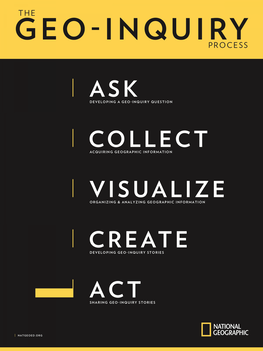
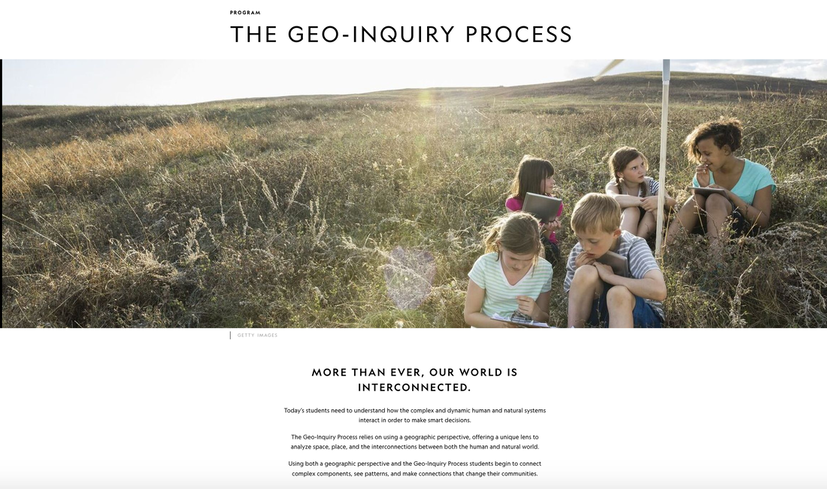
The Geo-Inquiry Process Endeavors to help students develop the skills, knowledge and tools of a geographer. It provides a systematic way to investigate and understand the world through the patterns, processes, and interactions between human and natural systems and then to act on their conclusions."
- National Geographic Geo-Inquiry Process: Educator Guide

Phase 1: Ask
Picture
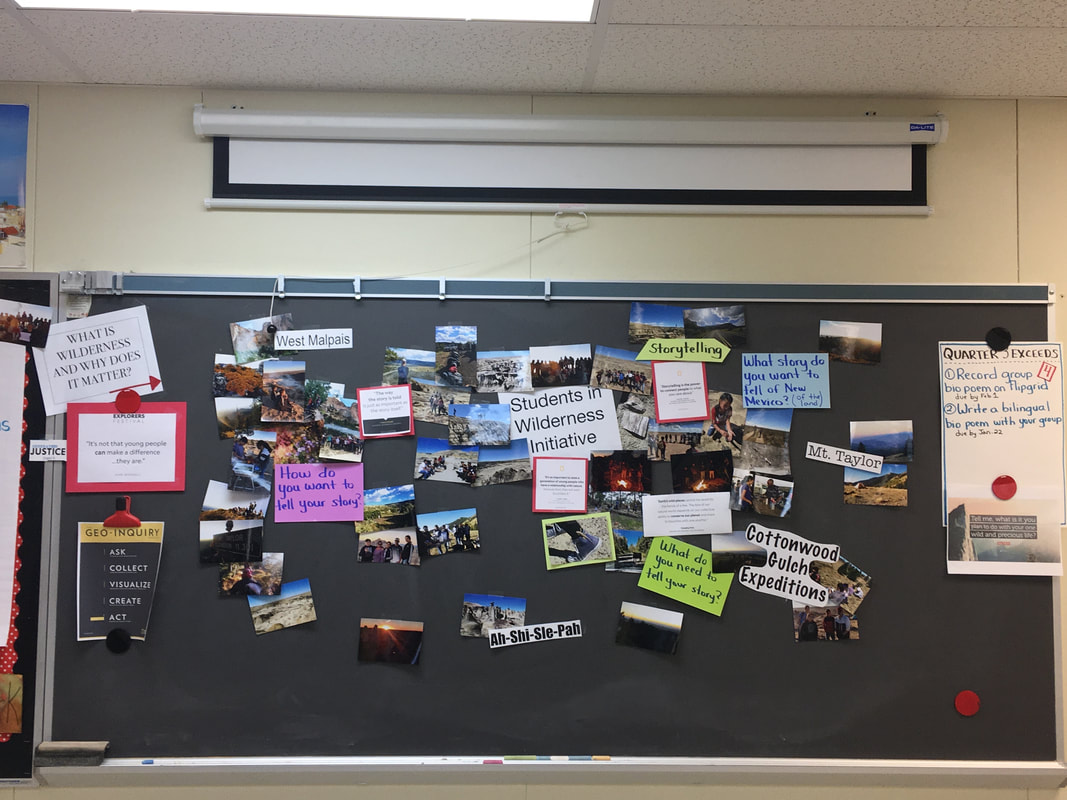
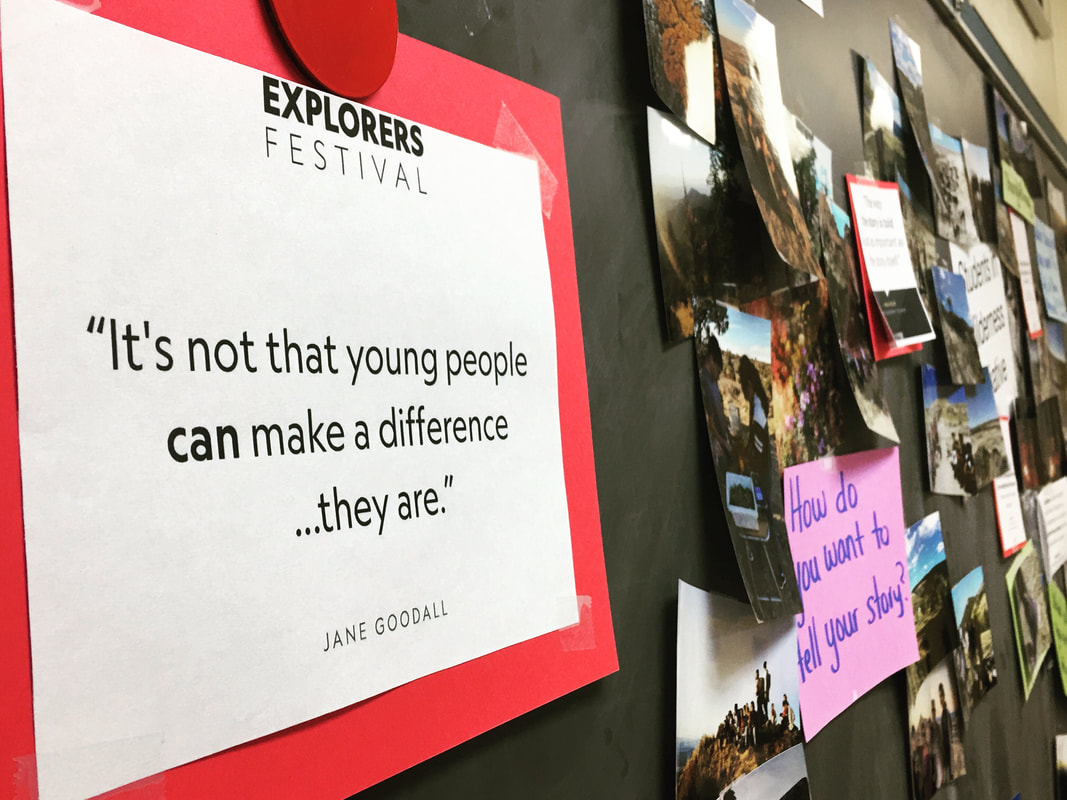
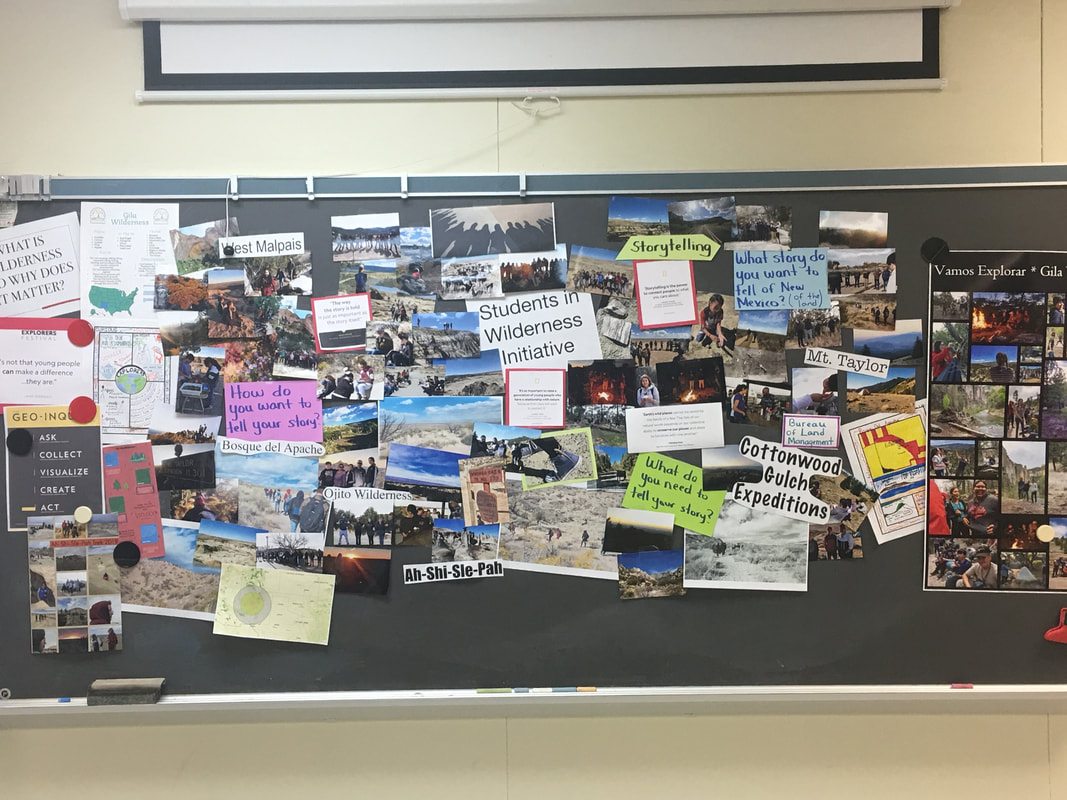
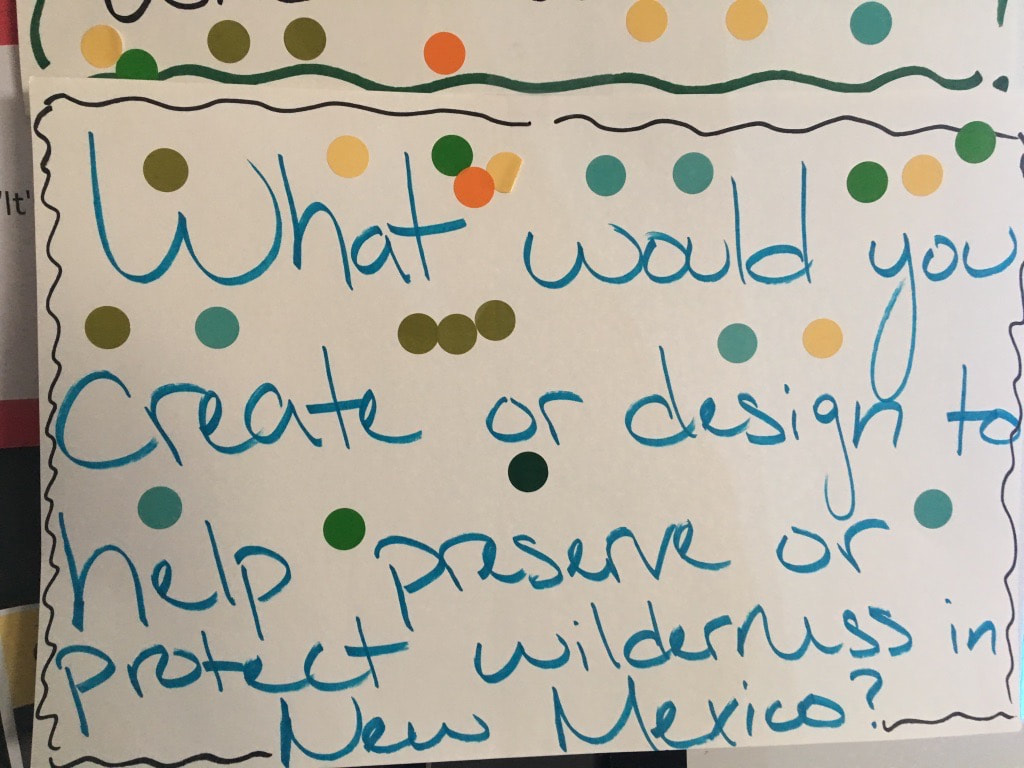
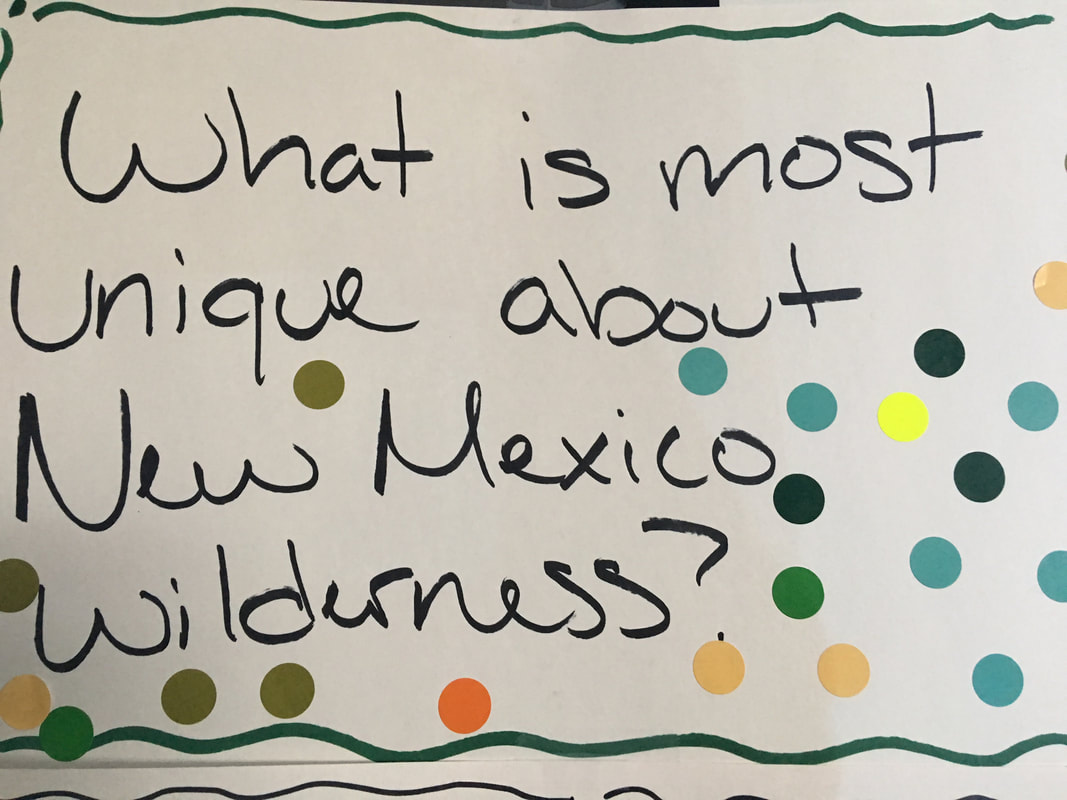
  1. I created an interest board that includes photographs from our classroom wilderness sessions and our two fall treks, in addition to the content-specific vocabulary related to our study. See the evolution of our board here.
  2. We started this process by looking at our question - What is Wilderness? - and looked at the goals of the Students Wilderness Initiative: (1) to develop critical thinkers of New Mexico’s next generation, (2) share the beauty and value of our public lands, with an emphasis on Wilderness Areas, (3) foster an appreciation for the outdoors, (4) bring alive indoor classroom topics, and (5) provide opportunities to give students ownership of their local lands
  3. Students engaged in a brainstorming session to articulate what they’ve learned during the SIWI in-class sessions and on the fall treks. 

  4. We then previewed the experiences students will have with SIWI in the next couple of months including two day-trips to Wilderness Areas, additional classroom sessions, the spring treks (a 3-day camping expedition and a 4-day backpacking expedition), the opportunity to record their stories for a local radio show, and the opportunity to present at the statewide SIWI ‘conference’ in May.

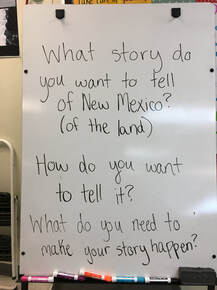
  5. National Geographic Explorer Maya Higgins visited our classes to talk about storytelling and helped to frame students’ geo-inquiry work as the means to tell a story that is meaningful to students and to the community. 
    1. For our Article of the Week, students read about Jimmy Chin in, “Photographer Jimmy Chin on mastering the art of chill.” 
    2. We also watched Chin’s digital story about climbing in Oman https://jimmychin.com/motion/oman/ and discussed elements of storytelling
  6. Introduction to geo-inquiry questions
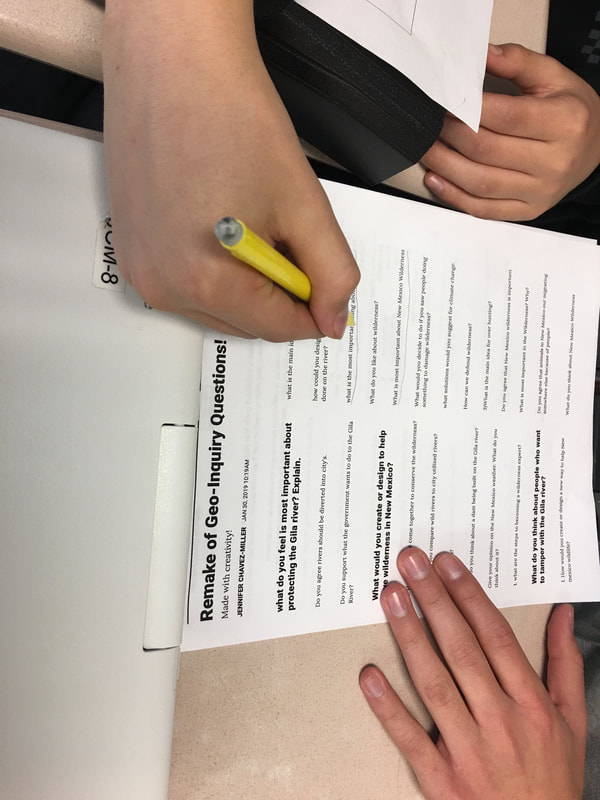
    1. We used Student Worksheet 1 to understand the characteristics of a good geo-inquiry question.
  7. Students began with a round of brainstorming possible geo-inquiry questions in small groups and posted their questions to a class Padlet. Then, working in groups, students used Student Worksheet 46 in addition to a printed list of all the questions posed to narrow the list. 
  8.  Final questions were posted on the classroom walls and through a gallery walk, students voted on questions using these guiding ideas (from Student Worksheet 46):
    1. Is the question tied to a specific place?
    2. Does the question require multiple information sources?
    3. Does the issue or topic impact the present or future human or natural environment?
    4. Does the question encompass the need to understand various perspectives?


Phase 2: Data Collection

  1. Based on students’ work to identify “need-to-know” information, students generated questions and grouped ideas to come up with this list of data they need to collect and means for data collection:
    1. What is Wilderness? Research
      1.  What are some ‘official’ definitions of Wilderness?
      2. What is the history of Wilderness in the United States?
      3. How much Wilderness is there in the United States?
      4. Where are Wilderness areas across the United States?
      5. How does an area of land become a Wilderness Area?
      6. Who manages Wilderness Areas?
      7. Why are Wilderness Areas protected across the United States?
      8. Why is Wilderness important?
    2. NM Wilderness Areas - Research
      1. How many Wilderness Areas do we have in NM?
      2. Where are those Wilderness Areas located?
      3. What are some unique Wilderness Areas in New Mexico? What makes each of these Wilderness Areas unique? 
        1. This particular question can be addressed through research and student field experiences in 6 Wilderness Areas this school year
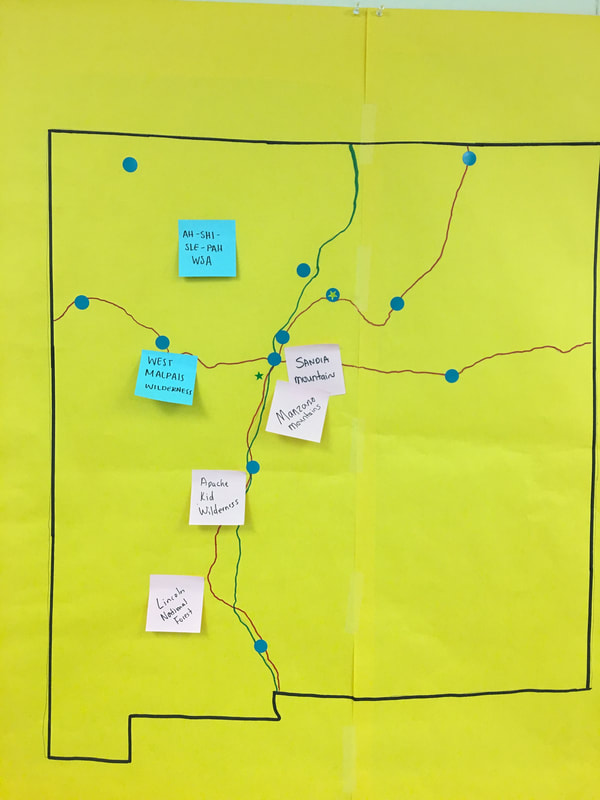
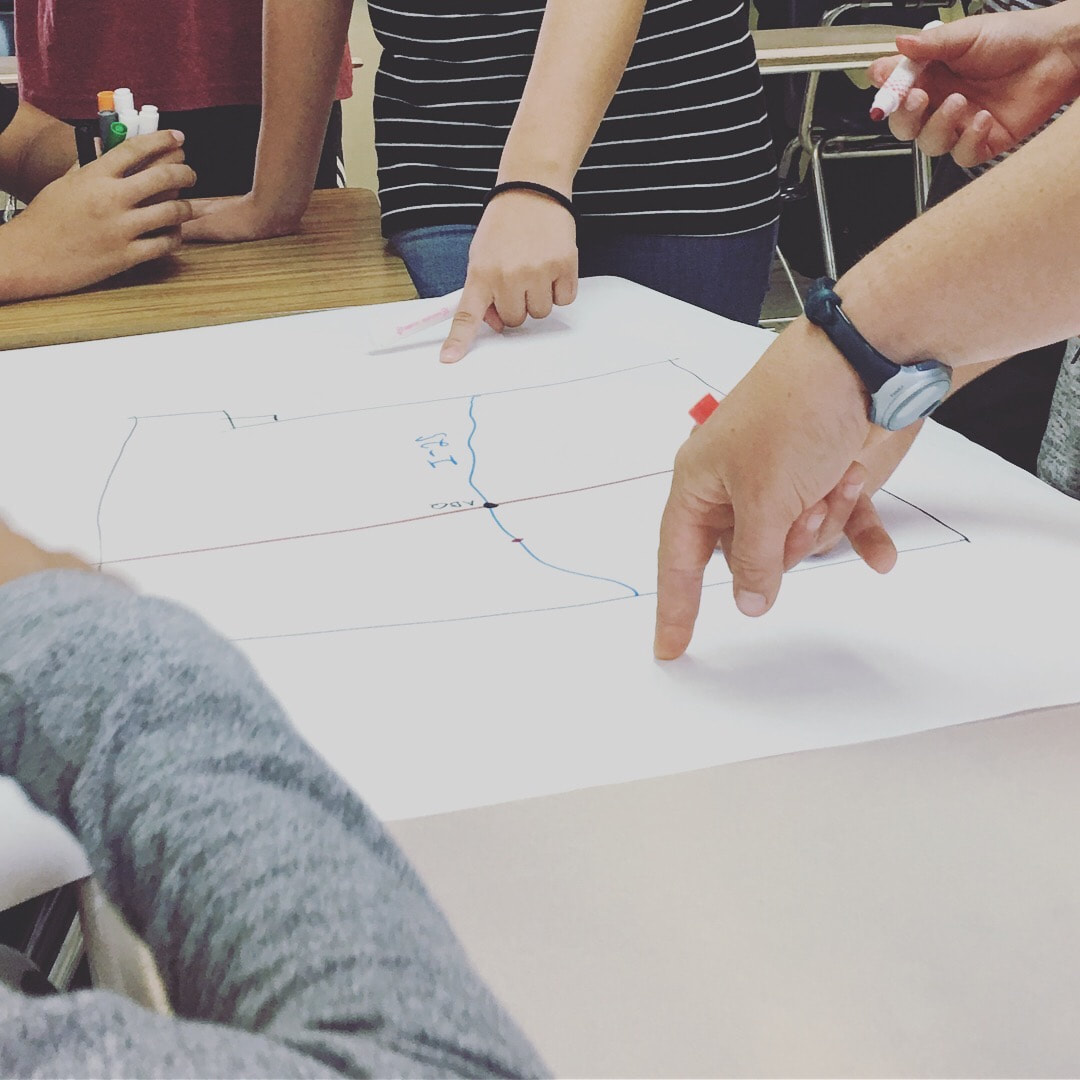
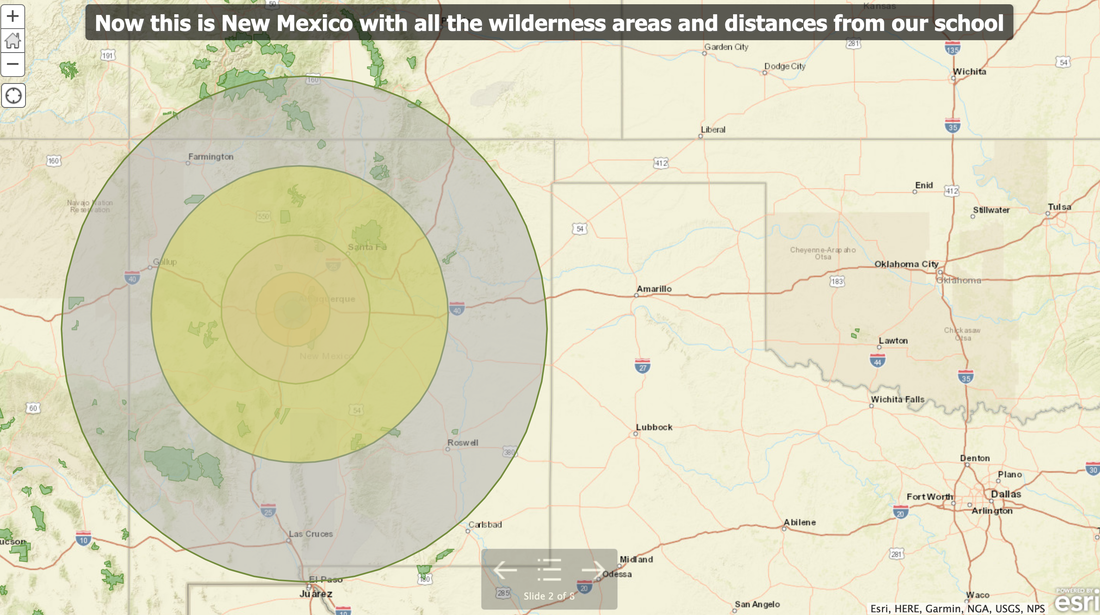
    3. Access to Wilderness - Research, including use of ESRI maps
      1. Do people from our community have access to Wilderness areas? What are some barriers to access to Wilderness?
      2. Which Wilderness Areas are most accessible to our community?
    4. “Rules” of Wilderness - Research, interviews, notes taken during visits by guest speakers
      1. What can you do and what can’t you do in Wilderness Areas?
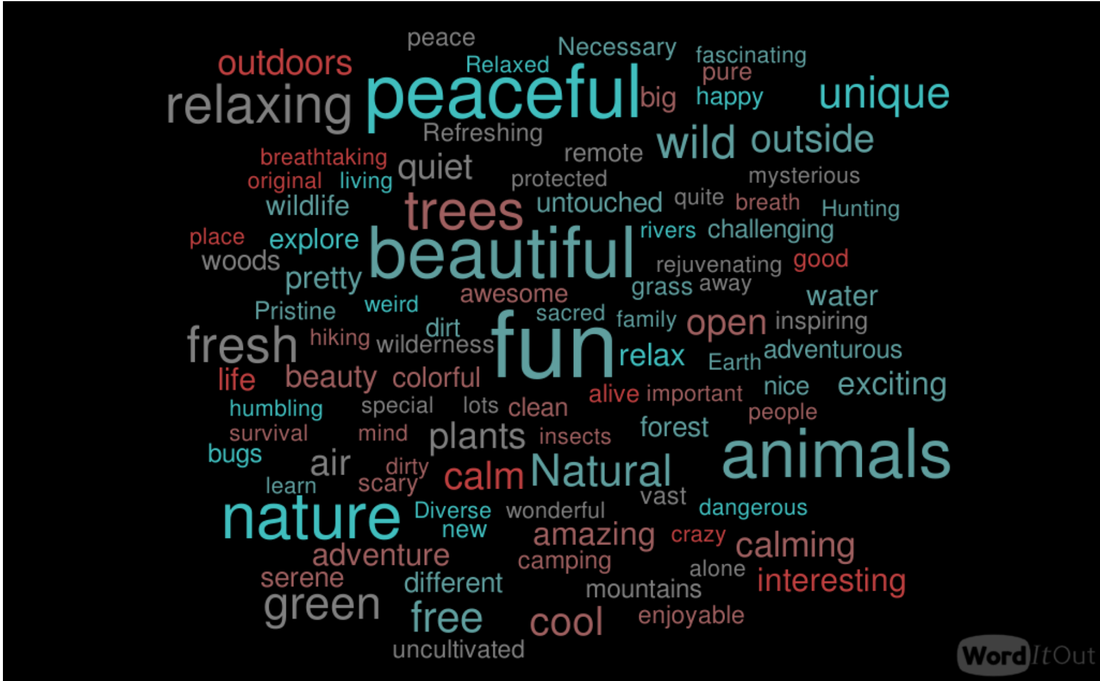
    5. Our community's opinions, knowledge, feelings, and experiences related to Wilderness - Interviews, survey (we used Student Worksheet 31 to create a survey) See our survey here. And take a look at survey responses here. 
      1. Why do you visit Wilderness areas? Check
      2. What is your definition of Wilderness?
      3. Do you think our generation of kids goes out in Wilderness more than our parents or guardians did when they were kids?
      4. If you're an adult, did you spend lots of time in Wilderness or outside when you were a kid?
      5. What four words would you use to describe Wilderness?
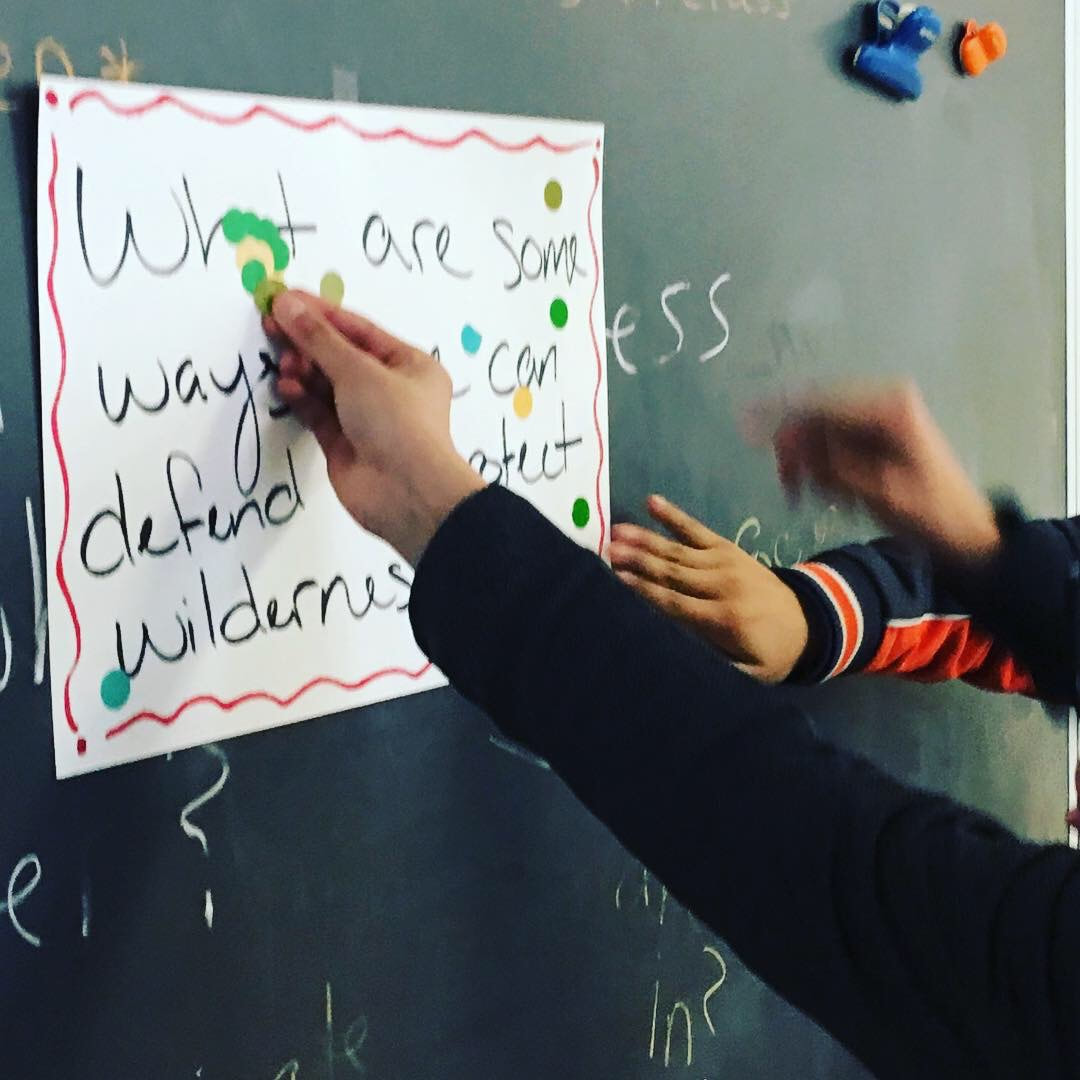
      6. How can we protect Wilderness areas from harm?
      7. How much time do you spend outside each week?
      8. If you don't visit Wilderness areas often, why? What are the obstacles?
      9. Is Wilderness important to you?
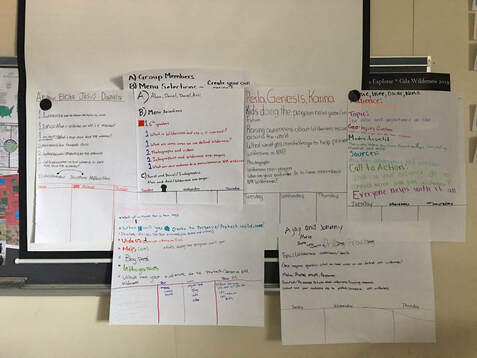
    6. Students will work in groups to design a project plan, addressing these questions:
      1. How are you going to divide the work? Who is going to do what?
      2. How are you going to record and organize your research? 
    7. Mini-lesson during this process include review of credible sources and citing sources
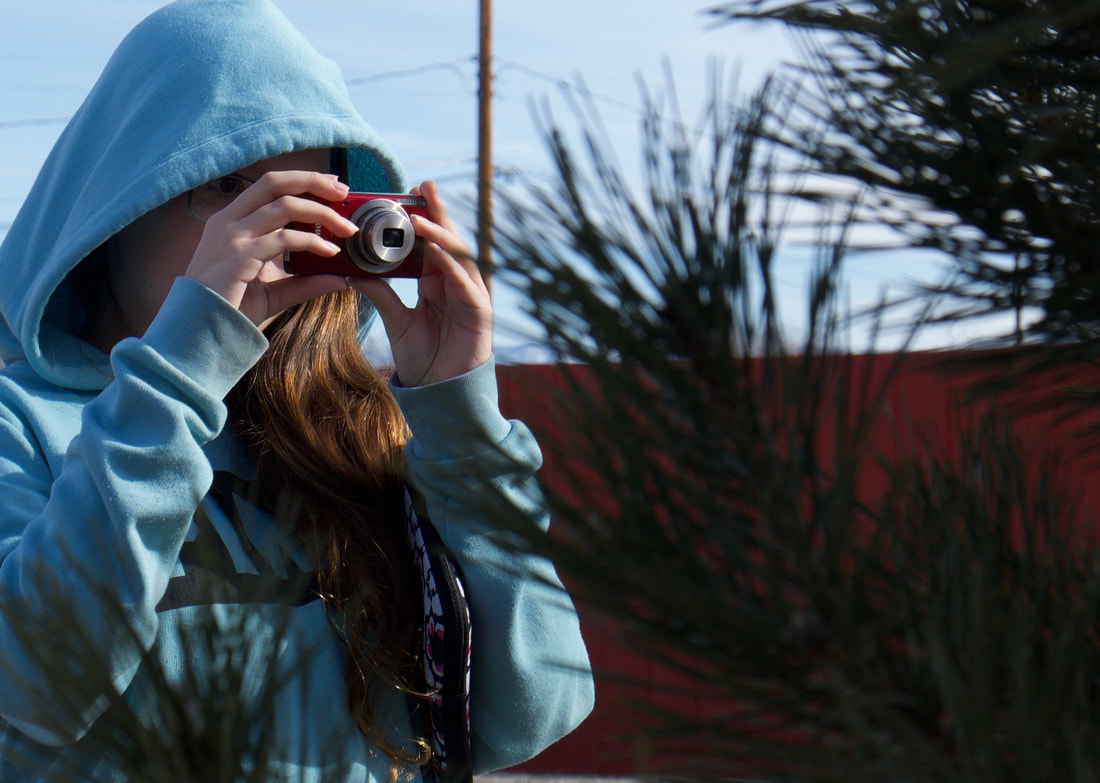
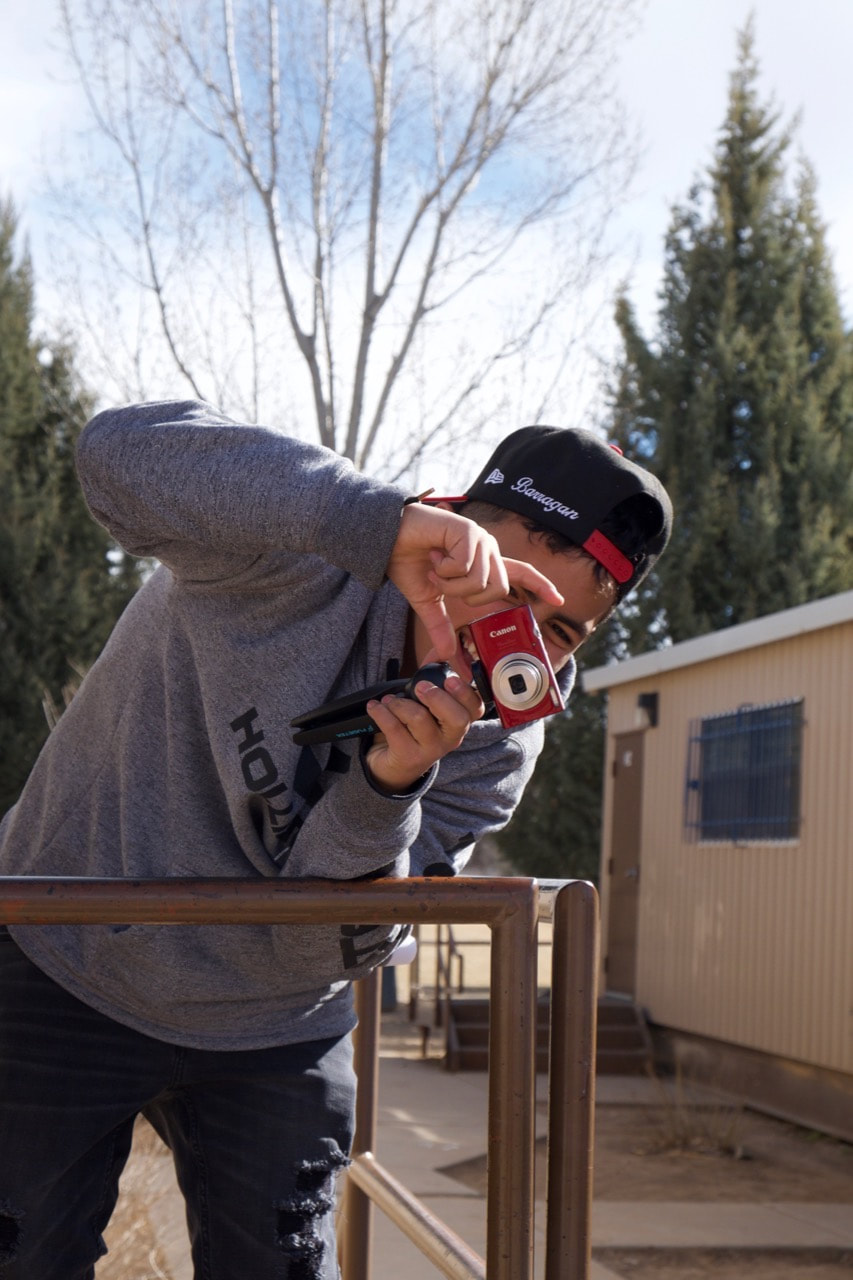
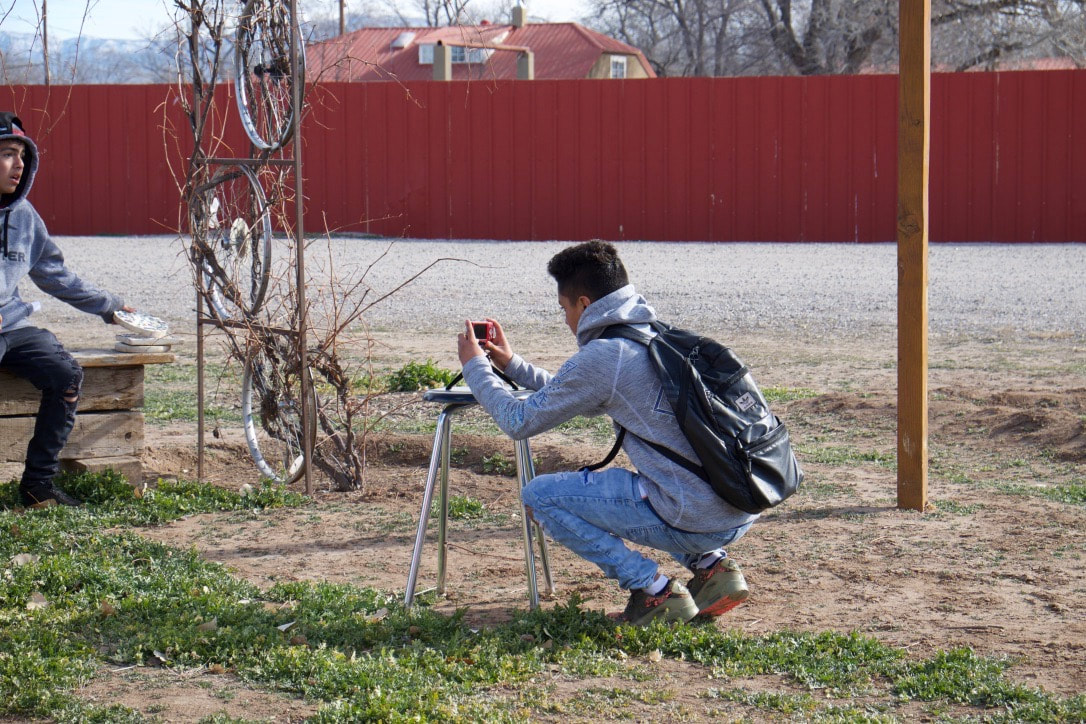
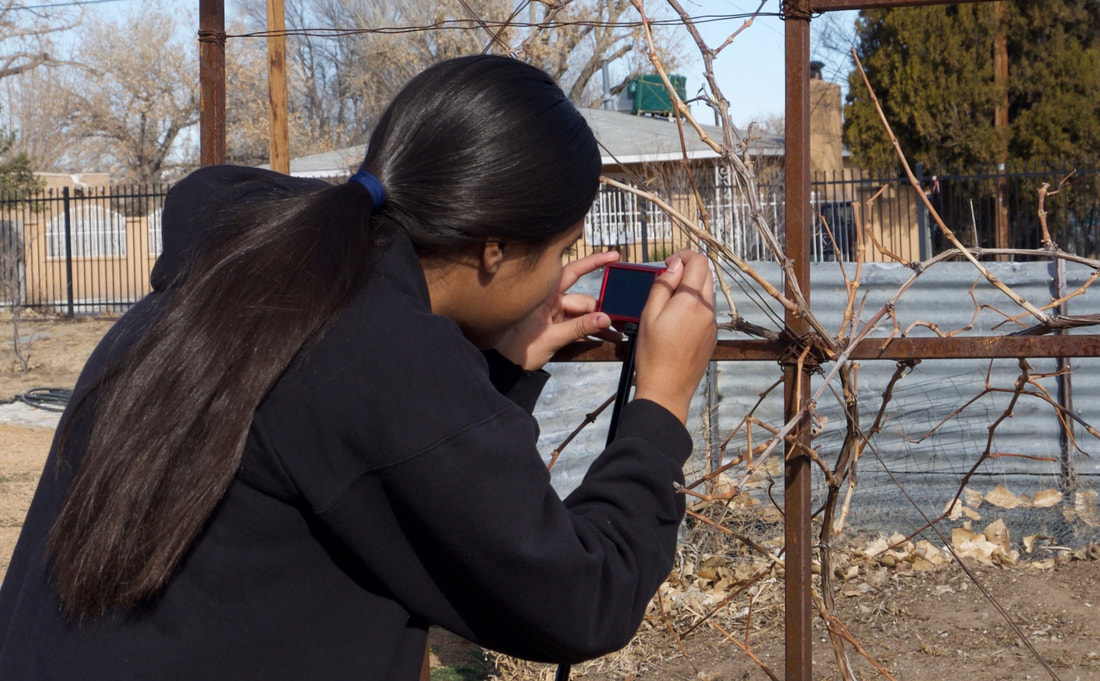
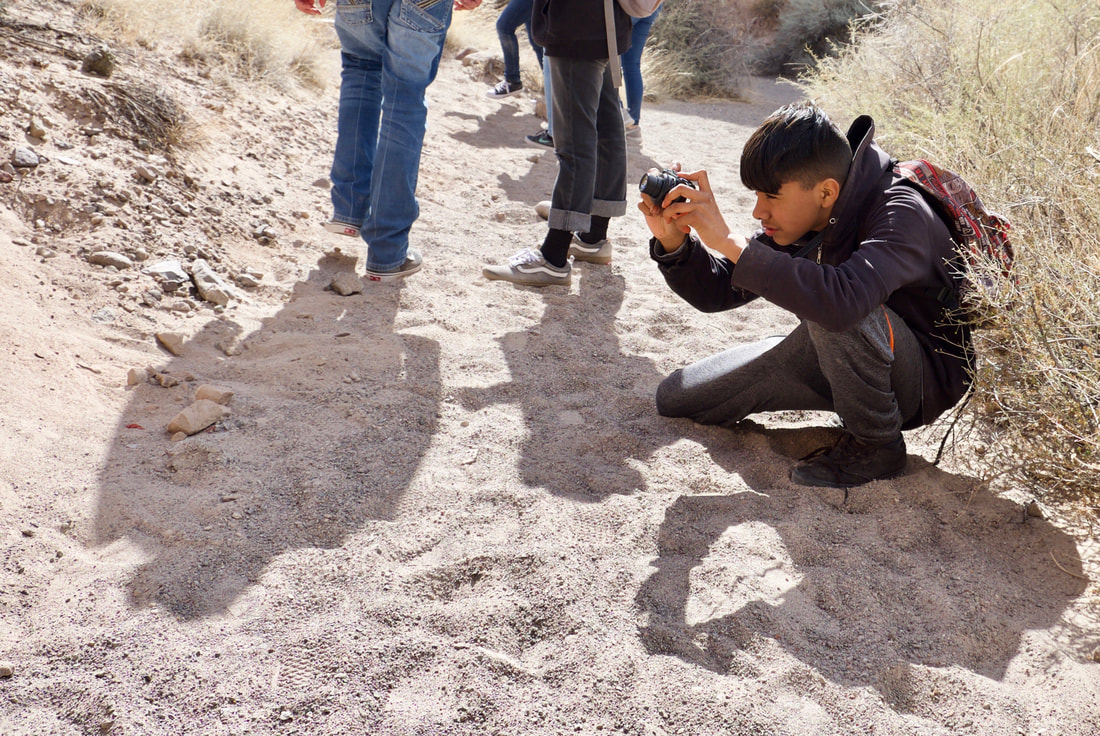
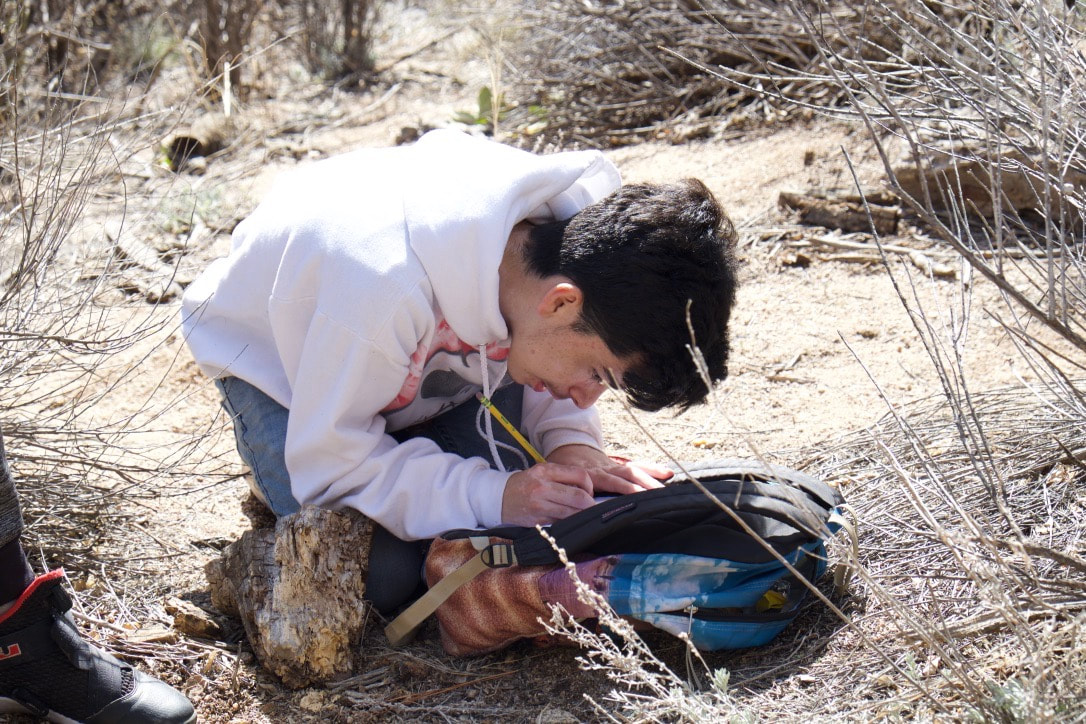
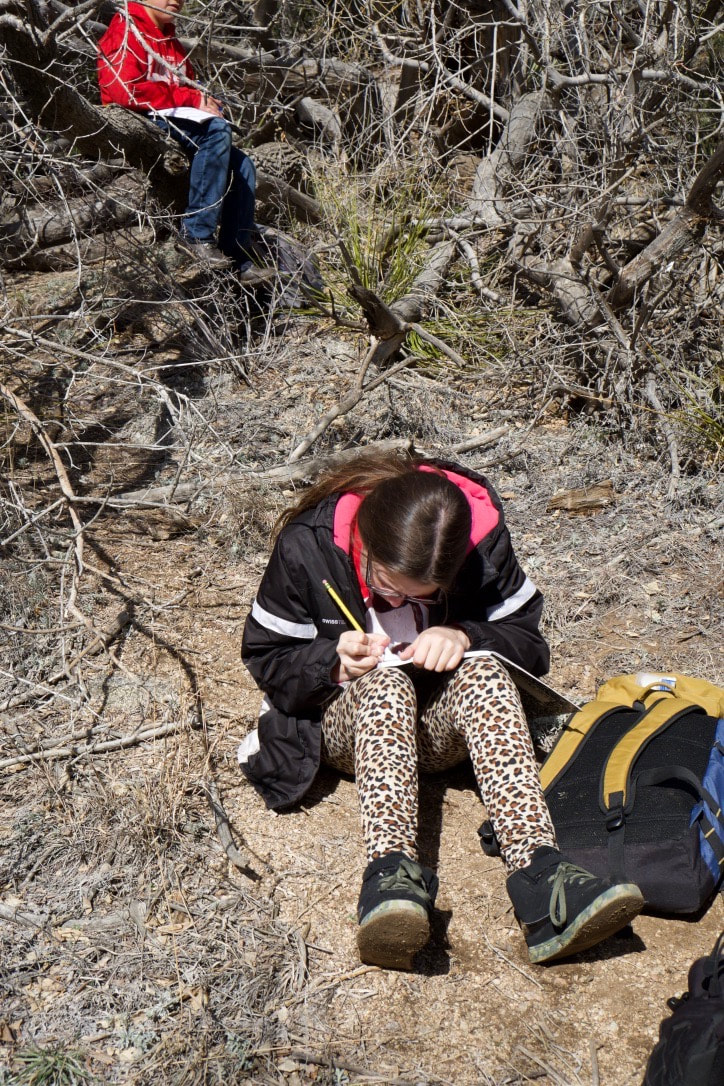
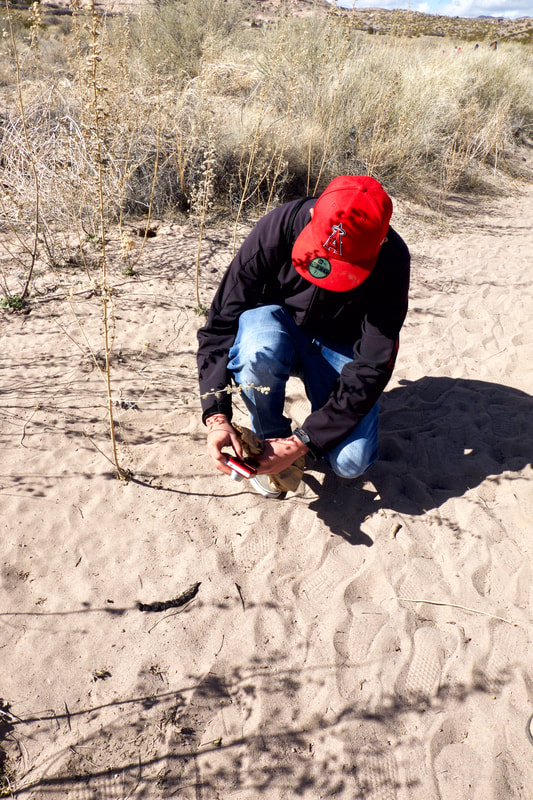
  2. In February, we started to capture photo and video data from experiences on our day-treks to the Sandia Wilderness Area, the Bosque del Apache Wilderness Area, and the Ojito Wilderness Area.
    1. Before students went into the field with cameras, I engaged students in a storytelling challenge across our campus to teach basic photography and videography skills, using Student Worksheets 34 and 35. 
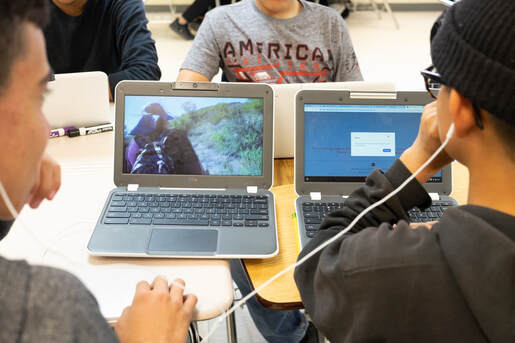
    2. Students documented their experiences in Wilderness through blog posts
      1. Introduction to blog writing
      2. Analyzing blogs
        1. Purpose
        2. Format
        3. Audiences
        4. Style/ tone
        5. Content - words, images, photographs
      3. Introduce Open Explorer - https://openexplorer.nationalgeographic.com/expedition/vamosexplorar
        1. Brainstorming ideas of what you’d like to write about - turn in for review
        2.  brainstorming activity
      4. Introduce activity - blog posts - and structure of writing students will do - mix of formal and personal - you will be using I
      5. Analyzing blog posts activity
        1. What is the purpose of this blog?
        2. What’s this blog about?
        3. How does this blogger tell their stories? 
        4. What media does the blogger use?
        5. What’s the style or tone of the blog? I.e. funny, informative, entertainment, serious, light...
      6. Blog posts - brainstorm ideas related to our Wilderness study What story do we want to tell with our blog?
        1. What’s the story do you want to tell with a post 
      7. Student compose drafts, class revising and editing processes
      8. Published posts - see samples of student blog posts here
    3. April Treks
      1. Students conducted another round of data collection related to our Spring backpacking trek to the Gila Wilderness
        1. Research on the Gila Wilderness
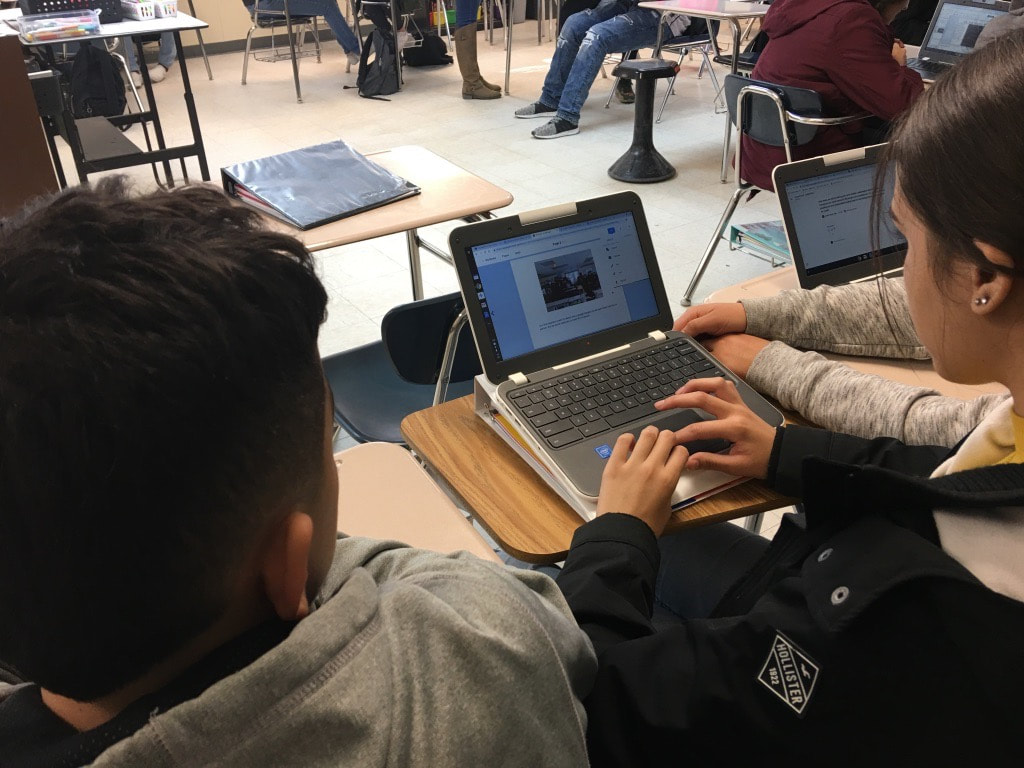
        2. Students used digital photography and 360 photography to document trek experiences, collecting media assets to use for final projects
Picture
Picture
Picture
Picture
Picture
Picture
Picture
Picture

Phase 3: Visualize

  1. I framed this phase of the Geo-Inquiry process with the following key ideas:
    1. Students should use the geographic lens to share data and tell a story
    2. Encouraging students to see and think like a geographer
      1. Observe
      2. Communicate
      3. Collaborate
      4. Sense of Responsibility
    3. Effective ways to synthesise, analyze, and show data include maps, graphis, charts, infographics, images and video
  2. Students evaluated their data to determine how they can display their information - Student Worksheet 13
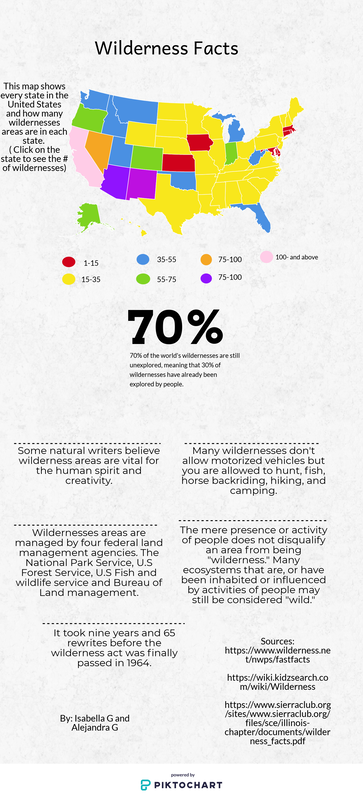
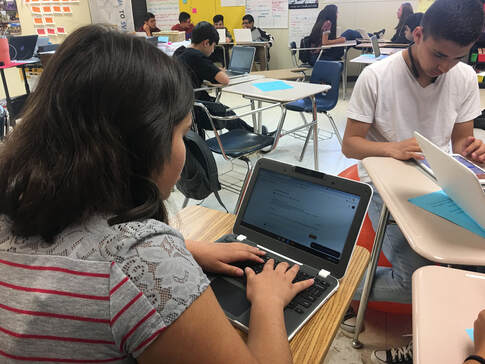
    1. Students created infographics, maps, journal/ blog entries, photographs and video
      1. Piktochart for infographics
      2. We’ll use ArcGIS for mapping
        1. Student Worksheet 14
      3. We’ve been using Blogger for blog posts
      4. Survey data

Picture

Phase 4: Create

Picture
Picture
Picture
  • On May 3, 2019, National Geographic Explorer Vanina Harel - https://vimeo.com/vaninaharel - skyped with our students to talk about storytelling using data, photographs, and video before they started to work on their own digital stories. 

  • Students analyzed examples of Geo-Inquiry stories using Student Worksheet 16 in order to generate a list of characteristics of effective geo-inquiry stories.
  • Students explored multiple ways to tell their stories(worksheet 17) and will go through the processes of planning their story (Student worksheets 18, 19, 20)
    • Mini-lessons for this phase of the Geo-Inquiry process included:
      • Organizing media files
      • Technology use of equipment and apps
      • Storytelling basics
        • Who are you trying to reach?
        • What do you want them to know?
        • What do you want them to feel?
        • What do you want them to do?
        • Why should they care?
      • Basic elements of effective geo-stories
        • people/ subjects involved
        • Geographic location
        • What happens over a period of time
        • Geo-inquiry question
        • Call to action and closure
      • Students will need:
        • Time to prepare
        • An outline to define the audience and goal
        • To prepare a storyboard
        • Access to the rubric so they understand expectations
        • Opportunities to track and reflect upon progress
  • Local National Geographic Explorer Maya Higgins volunteered to return to our classroom to meet with students to fine-tune their geo-inquiry stories before they complete their final products.

Phase 5: Act

All 8th graders had the opportunity to present their projects during May 2019. Mini-lessons to support the ACT phase of the process included:
  1. Framing this phase as using geographic concepts to see and think like a geographer and to present and use their geo-inquiry stories to inform and inspire action. 
  2. Use of different media tools. Most students chose to use Adobe Spark to create their presentations. 
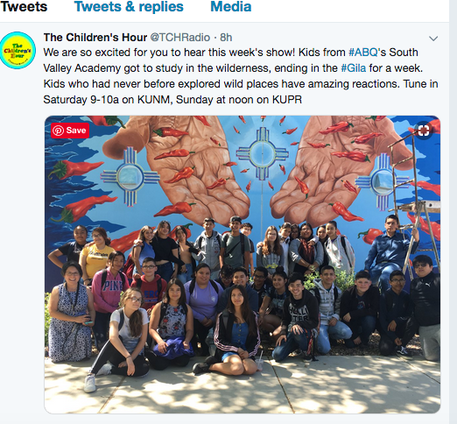
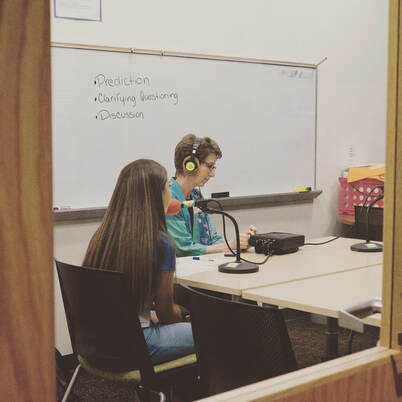
All 8th graders composed narratives based on their experiences and learning of and in New Mexico Wilderness. Then, 30 students worked in collaboration with Katie Stone, producer of The Children’s Hour Radio Show, to record their narratives that were aired on May 25, 2019, on our local public radio station.
Picture
Picture
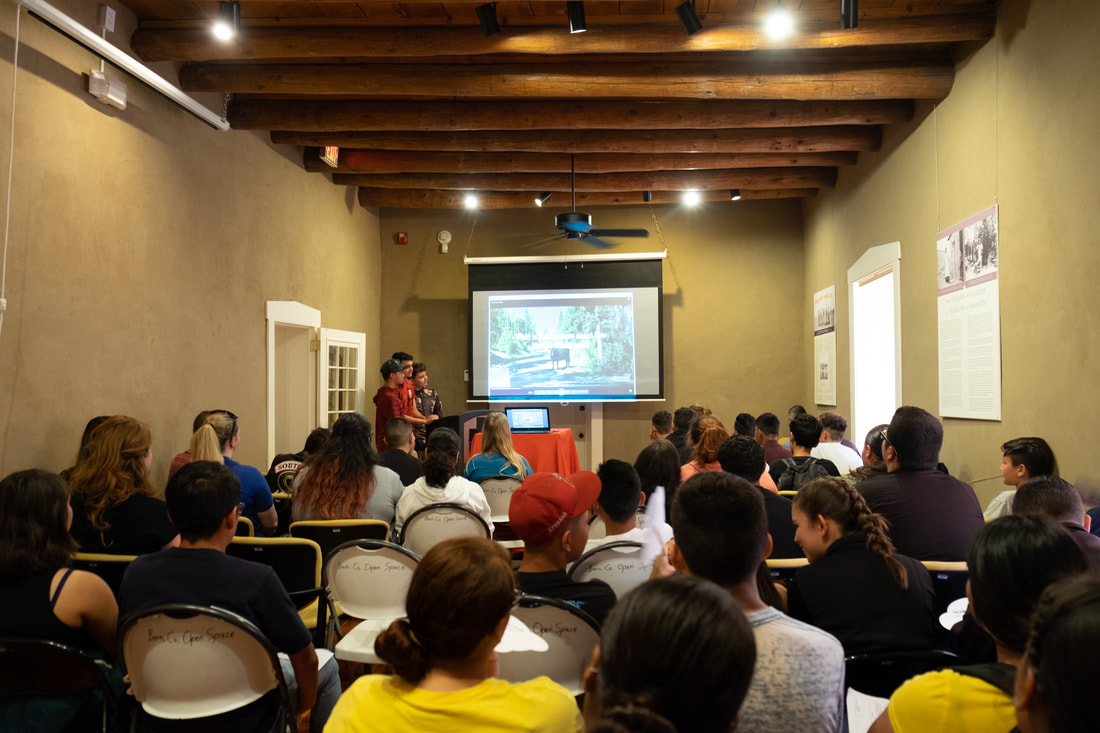
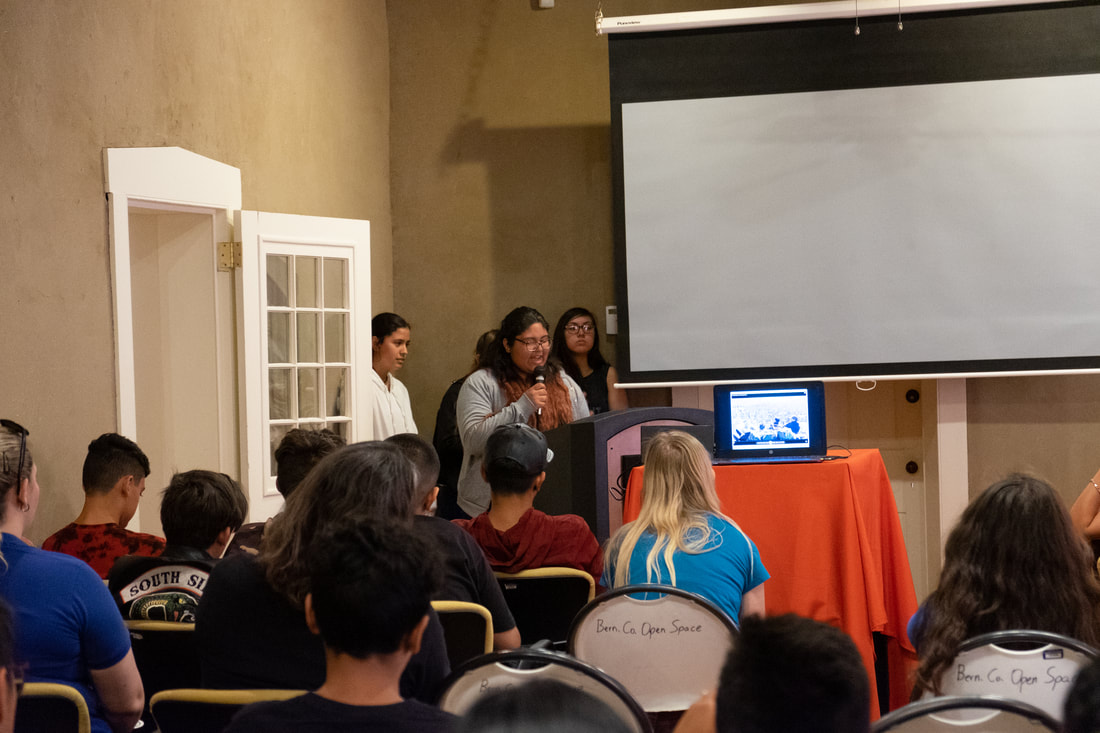
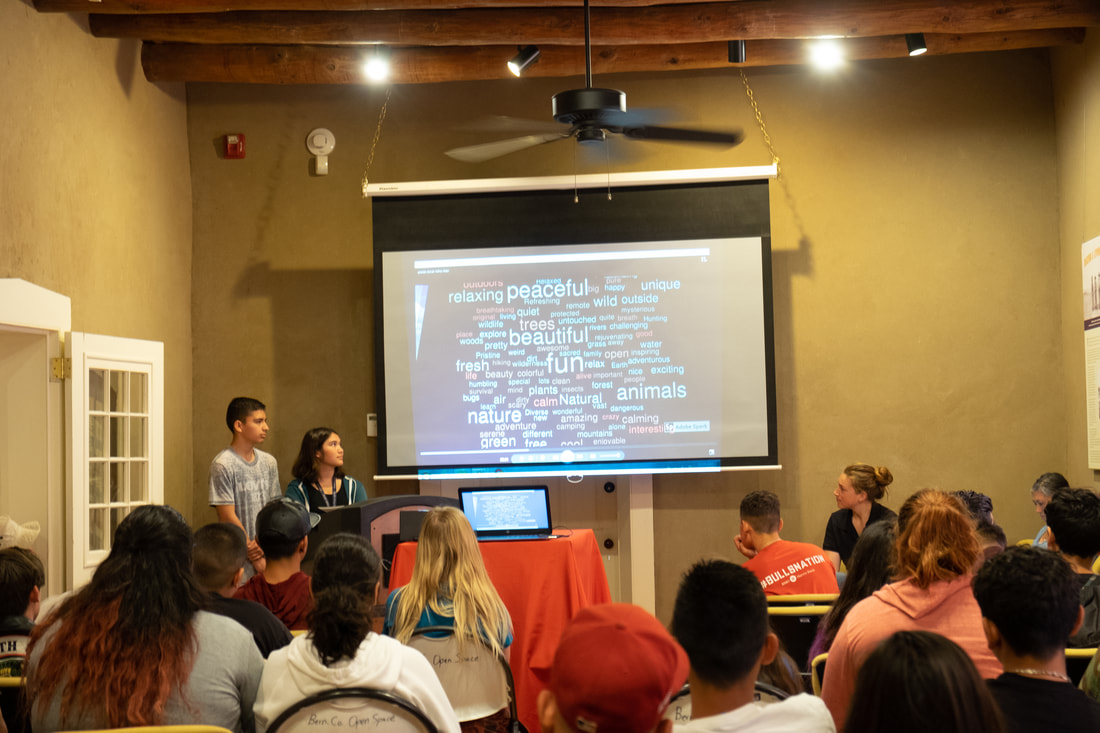
On May 14, 2019, 50 of our students formally presented their Geo-Inquiry projects in efforts to cultivate empathy, mutual understanding and influence policy. The all-day event was attended by a variety of stakeholders in NM - environmental educators; representatives from NM Fish and Wildlife, the Bureau of Land Management, the Wilderness Society, the Cottonwood Gulch, students from another neighborhood school, and local community members including farmers, ranchers, community members, and conservationists.
Picture
Picture
Picture
On the evening of May 14, a group of 8th graders attended our school’s monthly Governing Council meeting to present their project and advocate for school funding to maintain Vamos Explorar and 8th graders’ participation in the Students in Wilderness program for two additional years. We are proud to share that the Governing Council and school administration have committed $20,000 for all 8th graders to participate in the program over the next two school years. At the end of these three years, over 270 students will have had direct learning experiences in New Mexico Wilderness. 
Picture
On May 21, all 8th graders presented their Geo-Inquiry projects as part of their Passage Portfolio Presentations, a formal gathering at which students reflect on their three years of middle school learning and how they are ready for the challenges beyond middle school. In classrooms across the entire campus, students presented to their families, peers, teachers and community members. 

Content and Curriculum Resources

You can access a curated list of content and curriculum resources related to this project here
Picture
Proudly powered by Weebly
  • Home
  • About
    • Contact
  • Think Global - Svalbard
    • The Polar Bear Express
  • Vamos Explorar!
    • Background and Inspiration
    • The Geo-Inquiry Process >
      • Student Blog Posts
    • Expeditions into New Mexico Wilderness Areas
    • Content and Curriculum Resources
  • Think Global - Finland
    • Introduction
    • Education in Finland
    • International Expressions of Global Education >
      • Global Education Concepts and Definitions
    • Case Study: Global Education in Finland >
      • Global Education Initiatives Timeline
      • Themes of Global Education in Finland
    • Curriculum Development >
      • Resources for Teachers
      • Finland Blog
    • Gratitude and Dedication
  • Think Global - Germany
    • Teach Global - Germany
  • Think Global - Colombia
    • Journal
    • Think Global Resource Guide >
      • Essential Question
      • Standards Based Global Education
      • Global Education Unit: American Indians and Indigenous Peoples of the World – Past, Present and Future
      • Digital Learning Environment Inventory
      • Local Resource Guide
      • Global Education Unit: Being American: An examination of the struggle for civil liberties for historically disenfranchised groups of Americans
      • Global Education Student Assessment Tools Inventory
      • International Project -Based Learning Opportunities
      • TGC Teacher Blogs
  • Teach Global
    • Think Global - Peru >
      • Virtual Field Trip to Peru >
        • Tasty Peru Tour
      • Peru Teacher Resources
    • Virtual Field Trip to Pakistan
    • Social Justice Heroes from Across the Americas
    • Global Leadership Odyssey Project: Introduction Videos to Students in Cartagena, Colombia
    • Colombia Lessons and Presentations
    • Schools Around the World
    • Ancient China
    • iEARN Global Learning Circle - Spring 2014
  • Chaco Canyon Trek 2018
  • Non-clickable Page